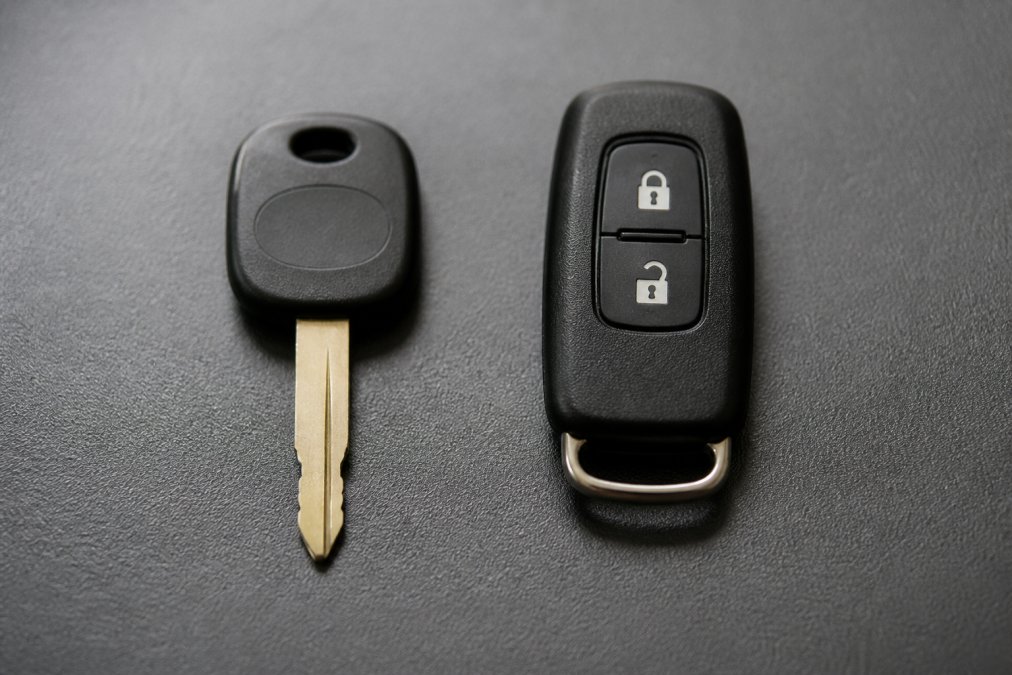
 comparison
Transponder vs Remote Car Keys: Key Differences
Table of Contents
- Transponder vs Remote Car Keys: What is the Difference?
- Quick Comparison Table: Transponder vs Remote Keys
- What is a Transponder Key and How Does It Work?
- What is a Remote Key Fob and What Does It Do?
- Can a Key Be Both Transponder and Remote?
- How to Program a Spare Car Key: DIY vs Professional
- Cost of Replacement Car Key: What Affects the Price
- Common Key Problems and Maintenance Tips
- Frequently Asked Questions
Last Updated: September 4, 2026
Transponder vs Remote Car Keys: What is the Difference?
The difference between transponder and remote car keys comes down to two distinct jobs: security and convenience. A transponder key contains a microchip that communicates with your car's immobiliser to prevent theft, while a remote key fob handles keyless entry tasks like locking and unlocking. Many drivers assume they are the same thing, but understanding the difference between transponder and remote car keys can save you time, money, and a great deal of frustration when you need a replacement. At Mobile Keys Norfolk, we cut and program both types on-site across Norfolk.
Most modern cars built after the mid-2000s require a transponder key just to start the engine. The remote functions are a separate layer of convenience layered on top. If your key fails, knowing which system has failed tells you whether you need a new blade, a new fob, or a full reprogramming session.
The difference between transponder and remote car keys also explains why a basic metal copy from a high-street kiosk will no longer start your car. That microchip is the reason replacement costs are higher than they used to be, and why you need a specialist rather than a general hardware store.
Quick Comparison Table: Transponder vs Remote Keys
| Feature | Transponder Key | Remote Key Fob |
|---|---|---|
| Primary purpose | Security and theft prevention | Convenience and keyless entry |
| How it works | Microchip sends signal to immobiliser | Radio frequency locks and unlocks doors |
| Required to start engine | Yes, in most modern cars | No, but often integrated |
| Battery required | No, passive chip | Yes, fob battery needed |
| Typical failure | Chip stops communicating | Dead battery or signal interference |
| Replacement complexity | Requires programming to match car | Often paired with transponder chip |
What is a Transponder Key and How Does It Work?
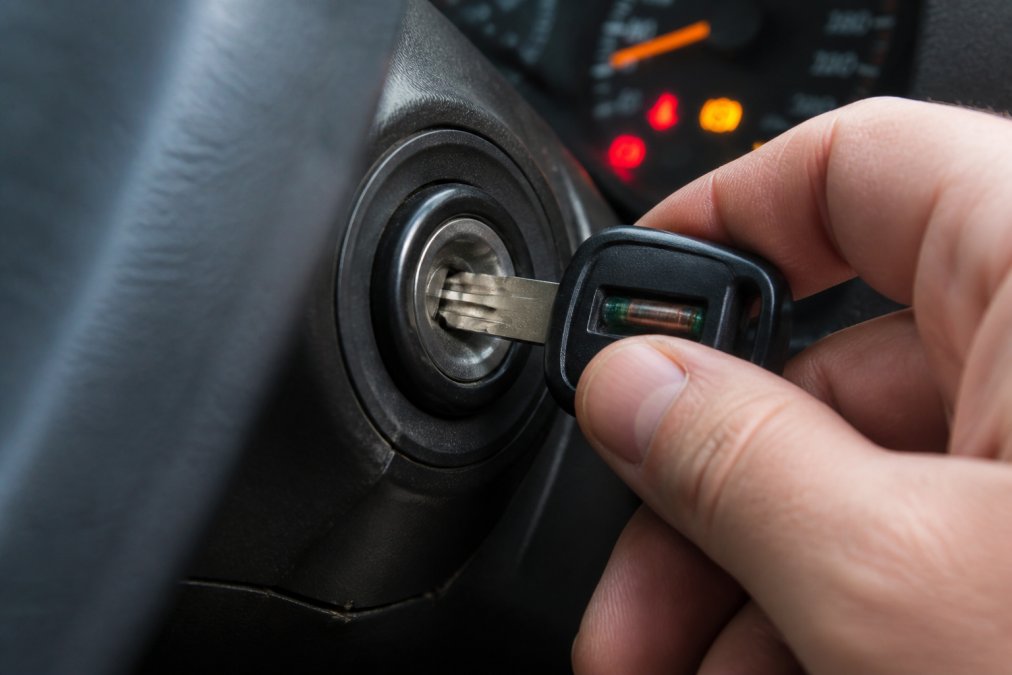
A transponder key is a car key with a small microchip embedded in the plastic head, designed to communicate with your vehicle's immobiliser system. The word combines "transmitter" and "responder," which describes the exchange that happens when you turn the ignition. The key emits a unique identification code via radio frequency, and the car's engine control unit checks that code before allowing the engine to start.
When you insert the key and turn the ignition, the transponder coil around the lock barrel sends a challenge signal. The chip in the key responds with its encrypted signal. If the codes match, the immobiliser disengages and the engine starts. If not, the car remains locked down, even if the physical key blade is a perfect fit for the lock.
This passive security system means the transponder key draws no power from a battery. The chip is activated by the electromagnetic field generated by the ignition system itself, which is why a transponder key can sit in a drawer for years and still work perfectly. It is also why you cannot simply cut a new blade and expect it to start the car.
The Role of the Immobiliser System
The immobiliser is the electronic control module that verifies the transponder chip's code before allowing the engine to start. Introduced widely across European vehicles in the late 1990s, immobilisers have dramatically reduced car theft rates (gov.uk). According to UK Government guidance on vehicle security technology, electronic immobilisers have been standard equipment on new cars for decades and remain one of the most effective theft deterrents available.
If the immobiliser does not recognise the chip, the vehicle will crank but not fire, or in many cases, will not even crank. This is a deliberate design choice: the immobiliser assumes any unrecognised key is a theft attempt. When a transponder chip fails or a key is lost, the immobiliser locks the driver out just as effectively as a thief. This is why professional programming equipment is required to introduce a new key to the system.
What is a Remote Key Fob and What Does It Do?
A remote key fob is a handheld device that uses radio frequency signals to control keyless entry functions such as locking, unlocking, and opening the boot from a distance. Unlike the transponder chip, which works passively when inserted into the ignition, the remote fob actively broadcasts a signal when you press a button. This is the convenience layer of your car key system.
The remote fob relies on a battery to power its signal transmission. When the fob battery dies, you can still start the car if the transponder chip is separate, but you will need to use the physical key blade to unlock the door manually. Many drivers discover this the hard way when they press the unlock button and nothing happens, only to realise the mechanical lock is their only option.
Modern remote keyless systems have evolved well beyond simple lock and unlock functions. Many fobs now support proximity detection, allowing the car to sense the fob approaching and unlock automatically. Push-to-start systems take this further, letting you start the engine while the fob remains in your pocket. These smart key systems combine both transponder and remote functionality into a single unit, which brings us to an important question.
Can a Key Be Both Transponder and Remote?
Yes, the vast majority of keys produced in the last two decades combine both transponder and remote functions in a single unit. This integrated design is the standard for modern vehicles. The remote portion handles the convenience features, while the transponder chip inside the same housing handles the security authentication required to start the engine.
This combination is why losing your only key is so disruptive. You are not just replacing a piece of metal or a simple remote; you are replacing a device that must be programmed to match your vehicle's immobiliser and remote keyless system. The key must be cut to match the ignition lock, the transponder chip must be programmed to communicate with the engine control unit, and the remote must be synchronised to the car's receiver.
The integration also explains why dealership prices for replacement keys are so high. The programming requires access to manufacturer-specific protocols and, in many cases, security codes that are restricted. Independent automotive locksmiths invest in professional diagnostic tools to access these systems legitimately.
How to Program a Spare Car Key: DIY vs Professional
Programming a spare car key yourself is rarely possible for modern vehicles, as the process requires specialised diagnostic equipment and, increasingly, access to manufacturer security codes. Older vehicles from the late 1990s and early 2000s sometimes allow for a simple manual programming sequence, where you insert and remove the key in a specific pattern to put the car into programming mode. These methods are well-documented online for specific makes and models.
DIY programming carries real risks. An incorrect attempt can lock the immobiliser into a fault state, requiring a dealership visit to reset the system. Some vehicles limit the number of unprogrammed keys that can be introduced, and repeated failed attempts can permanently block a new key. What seems like a cost-saving measure can quickly become the most expensive option available.
Professional programming uses diagnostic tools such as the Autel MaxiIM IM508S or the Xhorse VVDI Key Tool Max Pro, which communicate directly with the vehicle's electronic control module. A professional can read the immobiliser data, generate the correct transponder chip, and program it to match the vehicle. For remote fobs, the process involves synchronising the rolling code so the car recognises the new remote's encrypted signal.
The practical choice depends on your vehicle's age and your tolerance for risk. For a modern car with a smart key system, professional programming is the only reliable option. For an older vehicle with a documented manual procedure, DIY may work, but you must be prepared for the consequences if it does not.
Cost of Replacement Car Key: What Affects the Price
The cost of replacement car key services is driven primarily by the type of key, the vehicle's make and model, and the programming requirements, rather than by the key itself. A basic transponder key for an older vehicle is significantly less expensive to replace than a smart key with push-to-start functionality, proximity sensors, and advanced encryption. The more technology packed into the key, the more complex the programming.
Several factors influence the final price. The key blade must be cut to match your ignition lock, and many modern keys use laser-cut or milled blades that require precision equipment. The transponder chip must be sourced and programmed, which requires access to the correct data for your vehicle. The remote functions must be synchronised, and some manufacturers require security codes that are only available to authorised dealers.
UK consumer guidance on car key replacement options highlights that comparing quotes from independent specialists against dealership prices is a sensible step, as the gap can be substantial. Dealerships often charge a premium for the same hardware and programming that an independent locksmith provides. The trade-off is convenience: a dealership may need to order the key and book you in days or weeks ahead, while a mobile locksmith can often attend your location the same day.
For an accurate picture of what your specific key will cost, you need a professional to identify the key type and programming requirements. At Mobile Keys Norfolk, we provide clear guidance on replacement options before any work begins, so you know what to expect. Our 24/7 availability means you are never left waiting for a solution, and our 30-minute arrival time gets you back on the road quickly.
Common Key Problems and Maintenance Tips
The most common key problems are a dead fob battery, a worn key blade, and a transponder chip that has stopped communicating with the immobiliser. Each has distinct symptoms. A dead fob battery means the remote buttons stop working, but the car may still start if the transponder chip is functional. A worn blade may struggle to turn the lock. A failed chip means the car will not start at all, regardless of the blade's condition.
Fob battery replacement is a simple maintenance task you can often handle yourself. Most fobs have a small slot or screw that allows you to open the casing and swap the battery. Check your owner's manual for the correct battery type. A common mistake is buying a cheap battery that drains quickly, so choose a reputable brand. If the fob stops working shortly after a battery change, the issue may be a poor connection rather than the battery itself.
The transponder chip is more fragile than most drivers realise. Dropping a key onto a hard surface can crack the chip or dislodge its connection to the antenna coil inside the key head. Exposure to water can also damage the chip, although some keys are better sealed than others. If your key has been through the washing machine, resist the urge to test it immediately. Dry it thoroughly and wait at least 24 hours before attempting to start the car.
Regular inspection of your key blade is worthwhile, particularly for older vehicles. A worn blade can damage the ignition lock cylinder over time, leading to a far more expensive repair. If the blade shows visible wear or the key is difficult to insert and turn, have it assessed before it causes damage to the lock mechanism. When you need a replacement key, Mobile Keys Norfolk can cut and program a new unit on-site, saving you the cost of a tow and the inconvenience of a dealership wait.
The difference between transponder and remote car keys is the difference between security and convenience, and modern keys combine both into a single, complex unit. When that unit fails, you need a professional who understands the immobiliser systems, the programming protocols, and the practical realities of getting you back on the road. Mobile Keys Norfolk provides expert on-site cutting and programming across Norfolk, with 24/7 availability and a 30-minute arrival time. Call 07399 583760 and get your replacement key sorted without the dealership wait.
Frequently Asked Questions
Is a transponder key the same as a key fob?
No, they serve different purposes. A transponder key contains a microchip that communicates with your car's immobiliser to prevent theft. A key fob is a remote control for locking and unlocking doors remotely. Many modern keys combine both functions in one unit, but a basic transponder key without remote functions only starts the engine.
Do transponder keys need to be programmed?
Yes, transponder keys must be programmed to match your vehicle's immobiliser system. The car's engine control unit only recognises specific unique identification codes. Programming typically requires diagnostic equipment that reads your car's system and registers the new key's code. Some vehicles allow DIY programming with a spare key, but many modern cars require professional equipment.
How do I know if my car key has a transponder?
Look for a plastic or rubber head on the key blade. Transponder keys have a thicker plastic section that houses the microchip. If your car was manufactured after 1995, it almost certainly uses a transponder key. You can also check by wrapping the key head in foil and trying to start the engine; if it does not start, the chip is blocked and the key has a transponder.
What is the cost of replacement car key for transponder and remote types?
The cost of replacement car key depends on the key type, your vehicle's make and model, and where you go. A basic transponder key is generally less expensive than a smart key with remote functions. Dealerships often charge more than mobile locksmiths. For an accurate quote, contact a local auto locksmith with your registration details.
This article was written using GrandRanker
Frequently Asked Questions
Q: Is a transponder key the same as a key fob?
A: No, they serve different purposes. A transponder key contains a microchip that communicates with your car's immobiliser to prevent theft. A key fob is a remote control for locking and unlocking doors remotely. Many modern keys combine both functions in one unit, but a basic transponder key without remote functions only starts the engine.
Q: Do transponder keys need to be programmed?
A: Yes, transponder keys must be programmed to match your vehicle's immobiliser system. The car's engine control unit only recognises specific unique identification codes. Programming typically requires diagnostic equipment that reads your car's system and registers the new key's code. Some vehicles allow DIY programming with a spare key, but many modern cars require professional equipment.
Q: How do I know if my car key has a transponder?
A: Look for a plastic or rubber head on the key blade. Transponder keys have a thicker plastic section that houses the microchip. If your car was manufactured after 1995, it almost certainly uses a transponder key. You can also check by wrapping the key head in foil and trying to start the engine; if it does not start, the chip is blocked and the key has a transponder.
Q: What is the cost of replacement car key for transponder and remote types?
A: The cost of replacement car key depends on the key type, your vehicle's make and model, and where you go. A basic transponder key is generally less expensive than a smart key with remote functions. Dealerships often charge more than mobile locksmiths. For an accurate quote, contact a local auto locksmith with your registration details.