 how-to
How to Program Spare Car Key: Step-by-Step
Table of Contents
- Understanding Transponder Keys and Immobiliser Systems
- Tools Required for Programming Your Spare Car Key
- Step-by-Step Instructions to Program Your Spare Car Key
- How to Sync Car Key Fob with Your Vehicle
- Car Key Programming Cost and When to Call a Professional
- Safety Precautions and Common Programming Errors
- Conclusion
Last Updated: August 16, 2026
Understanding Transponder Keys and Immobiliser Systems
A transponder key is a car key containing an embedded microchip that communicates with your vehicle's immobiliser system to authorise engine ignition. When inserted into the ignition, the transponder chip transmits a radio frequency signal to the vehicle's electronic control unit. If the signal matches the programmed code, the immobiliser deactivates and the engine starts. Without this authentication, the engine remains locked even if the physical key blade fits.
Most vehicles manufactured after the mid-1990s use transponder technology as standard. The immobiliser system constantly checks whether the key's chip code matches what's stored in the vehicle's memory, preventing unauthorised engine start attempts and significantly reducing car theft. The key blade performs the mechanical function of turning the ignition cylinder, whilst the transponder chip handles electronic security verification. Some modern vehicles use proximity keys or smart keys that authenticate when within range, but the fundamental principle remains the same: the vehicle must recognise and authenticate the key's electronic signature before allowing ignition.
Tools Required for Programming Your Spare Car Key
Essential Equipment Checklist
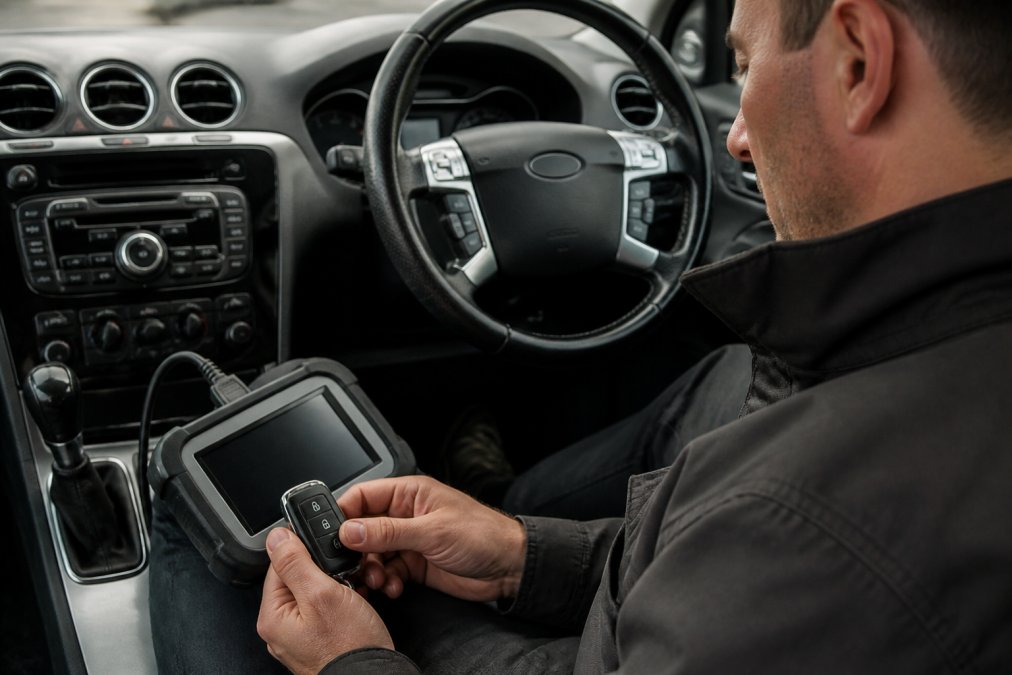
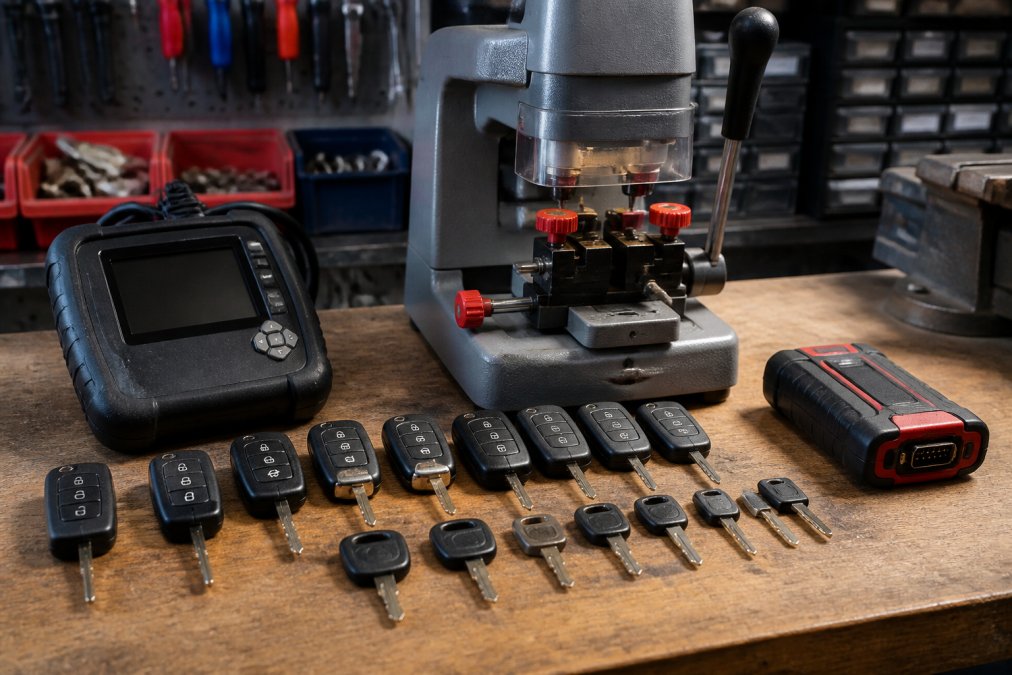
Programming a spare car key requires specific tools that vary by vehicle make and model. At minimum, you'll need a blank key matching your vehicle's key blade profile, an OBD-II scanner (for accessing the vehicle's diagnostic port), and the original key or a key programming device. Some vehicles allow programming through ignition cylinder sequences without additional tools, whilst others require specialised hardware.
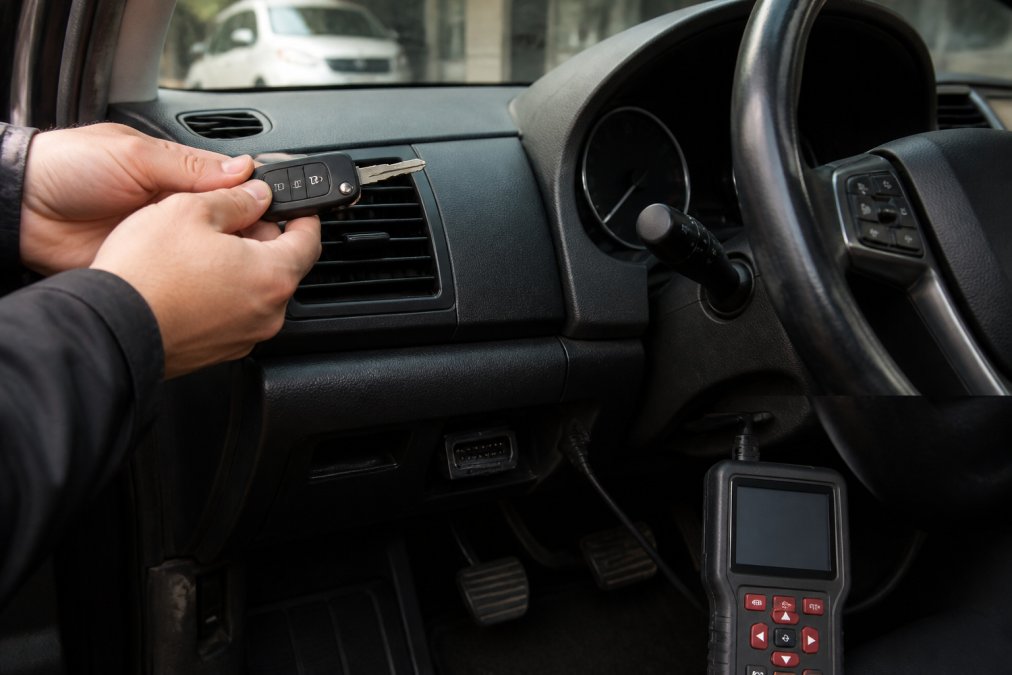
An OBD-II scanner is a diagnostic tool connecting to your vehicle's On-Board Diagnostic port, typically located beneath the steering column. This device communicates directly with the electronic control unit and can initiate programming mode on compatible vehicles. Basic OBD-II scanners cost less than specialist key programming devices, though not all models support key programming functionality. Verify that your scanner supports your specific vehicle's programming protocol before purchasing.
A key cutting machine is essential if programming a completely new blank key. Manual key cutting machines are available from automotive suppliers and locksmiths, though precision matters significantly, a poorly cut key blade may not turn the ignition cylinder smoothly. Many people choose to have the blank key cut professionally to ensure accuracy.
Your vehicle's owner manual and the original key are invaluable resources. The manual contains the specific programming sequence your vehicle requires; some manufacturers use ignition-based sequences whilst others require connecting a programming device to the OBD-II port.
Step-by-Step Instructions to Program Your Spare Car Key
Pre-Programming Vehicle Compatibility Check
Before investing in programming equipment, verify that your vehicle supports DIY key programming. Many modern vehicles, particularly those with advanced immobiliser systems or keyless entry, require dealership-level equipment. Your vehicle identification number (VIN), a 17-character code on your registration document and chassis, is the starting point.
Use your VIN to check online automotive databases or contact your vehicle's manufacturer to confirm whether DIY programming is possible for your specific model year. Some manufacturers restrict programming to dealerships for security reasons, whilst others provide sequences that owners can perform. European vehicles often have stricter security protocols, making professional programming the only viable option.
Check your owner's manual for a "key programming" or "key synchronisation" section. If this section exists with clear instructions, your vehicle likely supports owner-level programming. If the manual directs you to contact a dealership, attempting DIY programming may trigger security lockouts.
Entering Programming Mode
The method for entering programming mode varies significantly by manufacturer. Traditional ignition-based programming involves a specific sequence of turning the key from off to on without starting the engine, typically: off, on, off, on, off, on, then waiting for lights to flash or a beep confirming entry into programming mode. The exact sequence is critical; performing steps out of order will fail.
Some vehicles require the original key present during programming mode entry, whilst others allow the sequence with just the ignition cylinder accessible. A few modern vehicles require an OBD-II scanner to initiate programming mode through the diagnostic port. Once programming mode is active, the vehicle typically signals this through dashboard lights flashing, beeping, or door locks cycling. This confirmation is crucial; if you don't see or hear it, you haven't successfully entered programming mode.
Syncing the Blank Key
With programming mode active, insert the original working key into the ignition and turn it to the on position. Hold it for several seconds, usually between 3 and 10 seconds depending on the vehicle, until you see another confirmation signal. This step teaches the vehicle's immobiliser system to recognise the original key's code.
Remove the original key and quickly insert the blank key. Turn the blank key to the on position and hold it for the same duration. The vehicle is now learning and storing the blank key's transponder chip code. Some vehicles require repeating this process multiple times before programming is complete.
Once both keys have been cycled through the programming sequence, turn the ignition to off. Remove the blank key and test it by attempting to start the engine. If the engine starts normally, programming was successful. If the engine doesn't start or the security light remains on, programming failed and you'll need to troubleshoot or seek professional assistance.
How to Sync Car Key Fob with Your Vehicle
A key fob is the remote control component of your car key system, separate from the physical key blade. Syncing a key fob involves pairing the fob's radio frequency transmitter with your vehicle's receiver module so button presses trigger corresponding vehicle functions. This process differs from programming a transponder key because the fob communicates wirelessly.
Many vehicles allow fob syncing through a sequence of button presses on the fob whilst the vehicle is in programming mode. For example, pressing the lock button repeatedly whilst the ignition cycles through on-off-on positions can programme the fob's frequency into the vehicle's memory. The owner's manual will specify the exact button sequence and timing required.
Some modern vehicles require a dedicated fob programming device or an OBD-II scanner capable of fob synchronisation. Professional locksmiths typically have access to multi-brand fob programming devices for vehicles where manufacturer-specific sequences are unavailable.
Car Key Programming Cost and When to Call a Professional
DIY vs. Professional Programming
The cost of programming a spare car key yourself depends on the tools and blank key you need. A blank key typically costs between £5 and £20 depending on profile complexity. An OBD-II scanner capable of key programming ranges from £50 to £200 for consumer-grade models, though many basic scanners don't support key programming. If you already own a compatible scanner, DIY cost is minimal.
However, DIY programming carries genuine risks. Failed programming attempts can lock you out entirely, trigger security protocols requiring dealership intervention, or damage the immobiliser system. Some vehicles have anti-tamper features that permanently disable DIY programming after failed attempts. Once triggered, only a dealership can reset the system.
Professional locksmiths like Mobile Keys Norfolk specialise in on-site key programming and handle vehicles where DIY programming is risky or impossible. A mobile locksmith eliminates towing to a dealership, saves time through rapid on-site assistance, and provides expertise for complex immobiliser systems. Professional programming costs vary based on vehicle make and model, but many drivers find the convenience and reliability worth the investment compared to dealership prices.
Professional programming is the better choice if your vehicle has an advanced immobiliser system, if you've already attempted DIY programming unsuccessfully, or if you're uncertain about the correct programming sequence. Mobile Keys Norfolk provides 24/7 on-site key programming across Norfolk with a 30-minute arrival time commitment. Many independent locksmiths have invested in multi-brand programming equipment that handles vehicles where manufacturer-specific sequences are too complex for DIY attempts.
Safety Precautions and Common Programming Errors
Avoiding Key Cloning and Security Risks
Key cloning is creating an unauthorised duplicate of your key without your knowledge. This differs from legitimate spare key programming, which involves copying the transponder chip code with your involvement. Modern immobiliser systems have made cloning significantly more difficult, but older vehicles remain vulnerable. When programming a spare key yourself, you're performing legitimate duplication with your own vehicle.
To minimise risk, keep your original key secure and avoid lending it to anyone you don't trust. If you've lost a key, consider reprogramming your vehicle's immobiliser to reject the lost key's code, preventing a found key from starting your vehicle. When purchasing a blank key, buy only from reputable automotive suppliers or locksmiths to ensure the blank meets your vehicle's specifications.
Troubleshooting Failed Programming Attempts
If programming fails, the most common causes are incorrect programming sequence, a defective blank key, a weak battery in the original key, or an immobiliser system requiring professional-grade equipment. Start by verifying the exact programming sequence for your vehicle's make, model, and year, even a single step out of order causes failure.
Check the original key's battery next. A weak battery may not transmit a strong enough signal for the vehicle to recognise during programming. Replace the battery and retry the sequence. If the original key still doesn't work after a fresh battery, the key's transponder chip may be damaged.
If the blank key is defective, the vehicle's immobiliser won't communicate with the chip during programming. Request a replacement blank from your supplier and retry the sequence. After three failed programming attempts, stop trying. Further attempts may trigger anti-tamper security features that lock out DIY programming entirely. At this point, professional assistance is necessary.
Frequently Asked Questions
Can I programme a spare car key myself without specialist equipment?
Most modern vehicles with transponder chips and immobiliser systems require specialist equipment to programme a spare car key. Older vehicles may allow DIY programming through manual sequences, but newer models, especially those with keyless entry and smart key systems, typically need professional tools like OBD-II scanners. Attempting programming without proper equipment risks damaging your vehicle's electronic control unit or creating security vulnerabilities. A professional locksmith can handle this on-site with the correct diagnostic tools.
What is the difference between key cloning and programming a spare car key?
Key cloning copies the physical shape and transponder chip data from an existing key, creating an unauthorised duplicate. Programming a spare car key involves using legitimate methods to register a new blank key with your vehicle's immobiliser system through the ignition cylinder or OBD-II port. Programming is the secure, legal approach; cloning bypasses security protocols and is illegal. Always choose professional programming to ensure your spare key works correctly and maintains your vehicle's security.
How much does it cost to programme a spare car key?
Car key programming cost varies significantly based on your vehicle's make, model, and key type. Factors affecting pricing include whether you need key cutting, transponder chip programming, remote fob synchronisation, and the complexity of your immobiliser system. Professional mobile locksmiths typically charge less than dealerships, and pricing depends on your location and the urgency of your request. Contact a local mobile locksmith for a quote tailored to your specific vehicle and situation.
Do all modern car keys require professional programming?
Most modern vehicles manufactured in the last 15-20 years require professional programming for spare keys due to immobiliser systems and transponder chips. However, some older vehicles allow manual programming through specific ignition sequences. Keyless entry systems, proximity keys, and smart keys almost always require professional equipment and expertise. If you're unsure whether your vehicle supports DIY programming, consult your owner's manual or contact a professional locksmith to avoid damaging your car's security system.
This article was written using GrandRanker