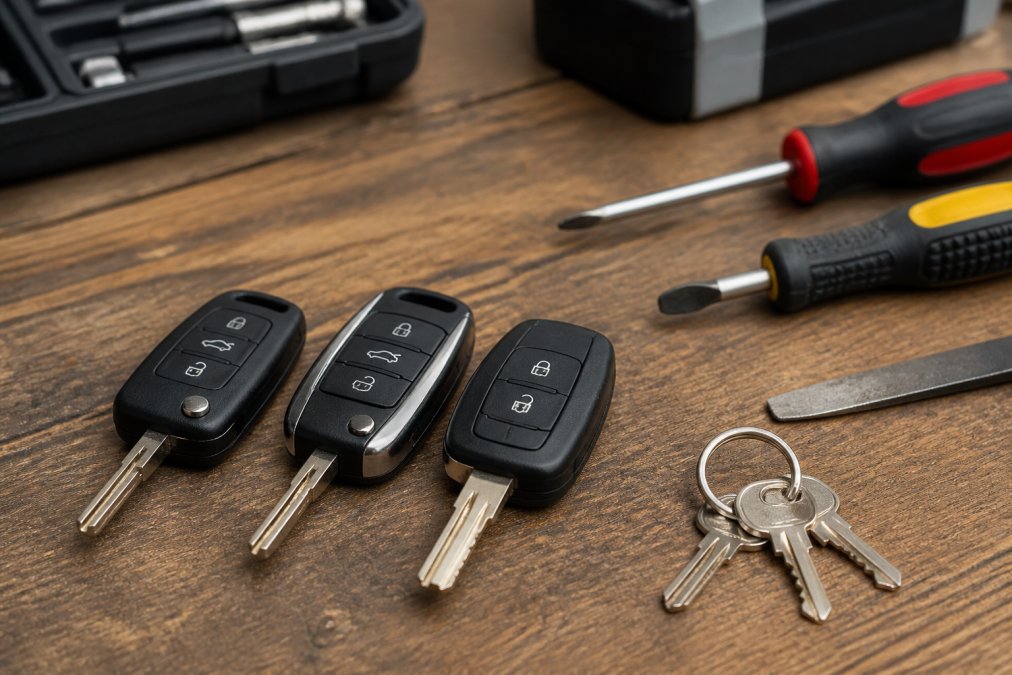
 listicle
Spare Car Keys: Complete Guide to Replacement & Cost
Table of Contents
- What to Do When You Lose Your Car Keys
- Types of Spare Car Keys and How They Work
- Car Key Replacement Cost Breakdown
- Finding an Auto Locksmith Near You
- Mobile Key Replacement: On-Site Cutting and Programming
- Benefits of Keeping a Spare Car Key
- Key Fob Battery Maintenance and Replacement
- Security Risks and Best Practices for Spare Keys
- Frequently Asked Questions
What to Do When You Lose Your Car Keys
Losing your car keys is stressful but recoverable. First, check your pockets, bags, home, workplace, and anywhere you've been recently. If that yields nothing, you'll need a replacement.
Your options depend on whether you have a spare, your key type, and urgency. If you're locked out and stranded, a mobile auto locksmith offers a fast solution, many arrive within 30 minutes and cut or program a replacement on-site. A professional locksmith is practical for most drivers, handling standard blades to modern transponder keys and keyless remotes at your location.
Locksmiths typically cost less than dealerships and offer same-day service, crucial when you're locked out.
Types of Spare Car Keys and How They Work
Not all car keys are created equal. Understanding your key type helps you know what to expect when ordering a replacement.
Standard Key Blades
Standard key blades are flat, cut pieces of metal that open the door lock and ignition. Found on older vehicles from the 1990s and early 2000s, they're cheap to duplicate and quick to replace, no programming required. The downside is minimal security; anyone with the right blank and equipment can create a copy. That's why modern vehicles have moved away from them.
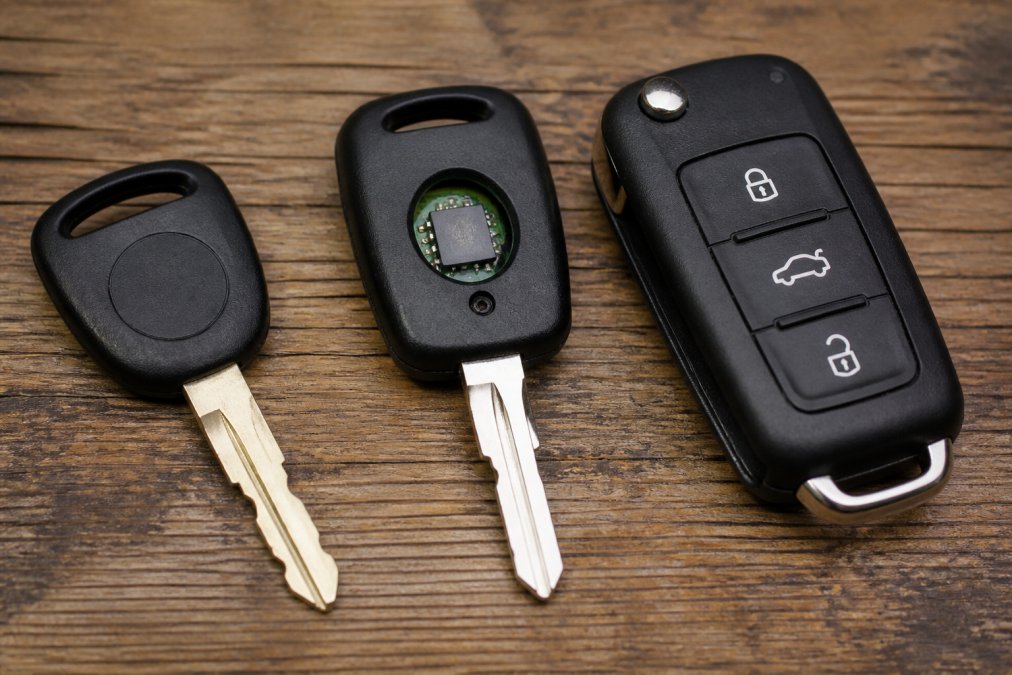
Transponder Keys and Immobiliser Systems
Transponder keys contain a microchip inside the head. When inserted into the ignition, the car's immobiliser reads the chip's unique code. If it matches, the engine starts; if not, it won't, even if the physical key cuts the lock perfectly.
This technology became standard in the mid-1990s as a theft deterrent (peer-reviewed research). Replacing a transponder key requires cutting the blade and programming the chip to communicate with your vehicle's immobiliser. A locksmith with the right equipment can do this on-site, though it takes longer than cutting a standard blade. The security benefit is significant: without the correct code, a spare key won't function even if someone duplicates the physical blade.
Remote Keys and Keyless Entry Fobs
Remote keys and keyless entry fobs combine a key blade with buttons for locking, unlocking, and sometimes opening the boot or activating panic alarms. Like transponder keys, they require programming to sync with your vehicle's security system. Some vehicles use flip key designs; others have separate fobs and blades. Modern vehicles with keyless entry sometimes use proximity fobs that unlock when you're near, these are more complex and cost more to replace.
If your key fob stops working, it might just need a new battery. Most fobs use standard coin-cell batteries (CR2032 or similar) costing just a few pounds.
Car Key Replacement Cost Breakdown
The cost of a spare car key varies considerably based on several factors.
Dealership vs. Auto Locksmith Pricing
Dealerships typically charge for spare key replacement using OEM parts and factory-trained technicians. An auto locksmith generally charges less, often using aftermarket blanks with comparable quality and lower overhead.
The real advantage of a locksmith is convenience and speed. Many offer mobile services, arriving at your location to cut and program your key on-site, eliminating the need for towing.
What Affects Your Replacement Cost
Vehicle age and complexity. Older cars with standard keys cost less. Newer vehicles with advanced immobiliser systems or keyless entry cost more.
Key type. Standard blades are cheapest. Transponder keys cost more due to programming. Remote keys and keyless entry fobs are most expensive.
Aftermarket vs. OEM. Aftermarket blanks are cheaper but fully functional. OEM parts cost more but carry a manufacturer warranty.
Programming requirements. Some vehicles require multiple keys programmed together or diagnostic equipment access, increasing labour time and cost.
Urgency and timing. Emergency call-outs outside business hours or weekends may incur surcharges.
Finding an Auto Locksmith Near You
Look for locksmiths who explicitly advertise car key services and mention transponder programming, immobiliser work, and keyless entry fob handling. Check online reviews on Google and Trustpilot, paying attention to response times and professionalism. A locksmith with consistent 4+ star ratings is likely reliable.
Verify they're insured and legitimate. Ask for credentials or certifications. Many professional locksmiths are members of industry bodies that set quality standards. Don't pick the cheapest option; a significantly lower quote might indicate less experience.
Call ahead and describe your vehicle and key type. A professional locksmith will ask your car's make, model, and year, and whether you have any keys at all. They'll give an honest estimate. Mobile locksmiths who come to your home or workplace are ideal if you're locked out, eliminating towing and getting you back in your car quickly.
Mobile Key Replacement: On-Site Cutting and Programming
Mobile key replacement is the fastest way to get a spare car key when locked out. A mobile locksmith arrives with cutting and programming equipment, completes the work at your location, and you're done, often within an hour.
The process typically follows these steps:
- Verification. The locksmith verifies your identity and confirms vehicle ownership.
- Key assessment. They examine your vehicle's lock and ignition to determine key type and requirements.
- Blank selection. They choose the correct blank for your car's make and model.
- Cutting. Using portable equipment, they cut the blade to match your lock profile.
- Programming. If required, they program the new key to communicate with your immobiliser or keyless entry system.
- Testing. They test the new key in your car's locks and ignition.
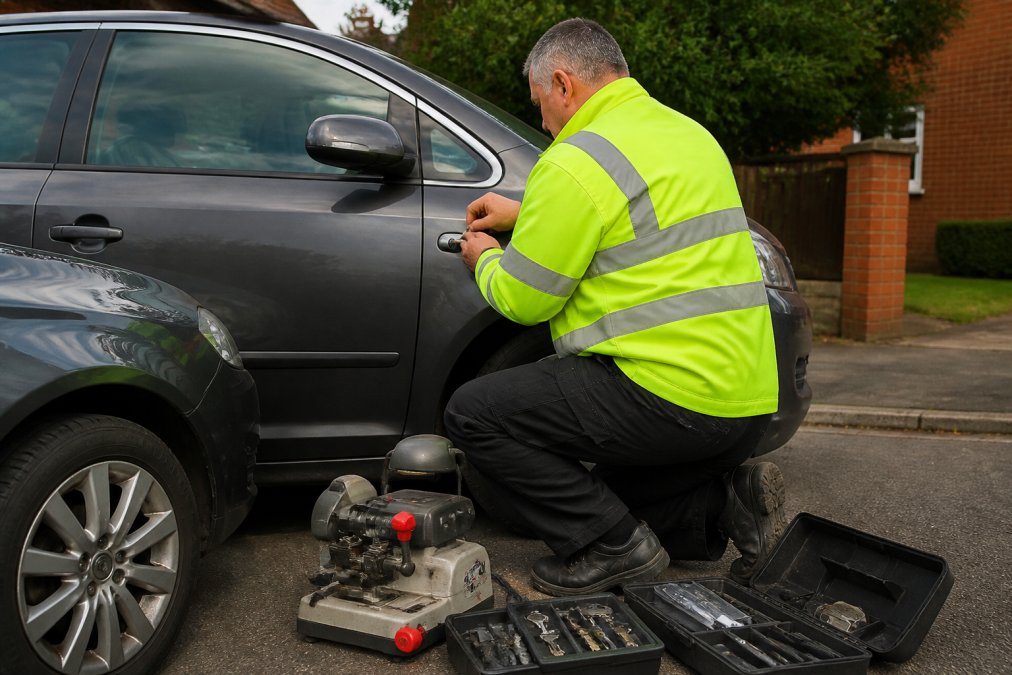
On-site service means the locksmith can access your vehicle's systems directly, sometimes necessary for programming. They don't require towing or a workshop visit. Mobile locksmiths typically operate 24/7, so you can get help at midnight or on weekends, with many offering rapid response times.
Benefits of Keeping a Spare Car Key
Having a spare car key at home, with a trusted family member, or at work prevents the stress and cost of emergency replacement. If you lose your primary key, you already have a backup and can use it immediately without calling a locksmith or dealership.
A spare also provides peace of mind if your primary key is damaged or malfunctions. For households with multiple drivers, spare keys reduce arguments and allow flexibility in sharing a vehicle. Keeping a spare at home is cheaper than emergency replacement, you can order one on your own schedule without paying for urgent service.
Key Fob Battery Maintenance and Replacement
A key fob that doesn't respond is often just a dead battery. Most fobs use standard coin-cell batteries (CR2032, CR2025, or CR2016) costing just a few pounds.
To replace the battery, locate the seam on the back of the fob and gently prise it open with a flat tool. Remove the old battery, note its orientation, and slide the new one in the same way. Close the fob and test the buttons.
If the fob still doesn't work after a fresh battery, the problem might be a faulty transmitter or receiver. Avoid exposing your fob to extreme heat or moisture. Some modern vehicles use rechargeable key fobs that charge via USB, eliminating regular battery replacements.
Security Risks and Best Practices for Spare Keys
A spare key in the wrong hands is a security risk. Never hide a spare in your vehicle, under the wheel arch, or in obvious home locations, thieves check these first.
Keep your spare in a secure location: a locked drawer, safe, or with a trusted family member elsewhere. If you give a spare to someone, ensure they understand its value and keep it secure. Be cautious about who knows you have a spare; fewer people means lower risk.
If you use a valet service or leave your car with a mechanic, only give them your primary key. For maximum security, keep your spare in a separate location entirely, at work or with a parent.
| Security Practice | Benefit | Implementation |
|---|---|---|
| Secure storage at home | Prevents opportunistic theft | Locked drawer or safe, not visible |
| Spare with trusted person | Backup access if primary lost | Family member or close friend |
| Separate location | Extra security layer | Work, parent's house, or bank safe deposit |
| Limit knowledge | Reduces duplication risk | Tell only essential people |
| Valet key option | Limits mechanic/valet access | Use primary key only for services |
Losing your car keys doesn't mean hours of disruption or expensive dealership fees. A professional mobile locksmith can cut and program a replacement spare car key on-site, often within 30 minutes. Mobile Keys Norfolk specialises in rapid, on-location key replacement across Norfolk, with 24/7 availability and transparent service. Whether your key is lost, broken, or you simply need a spare, calling 07399 583760 gets you back on the road quickly without towing costs or dealership delays.
Frequently Asked Questions
Q: How much does it cost to get a spare car key made?
A: Spare car key costs vary significantly based on your vehicle type and key complexity. Standard key blades typically cost less than transponder keys or remote fobs. Dealership pricing is generally higher than independent auto locksmiths. For a precise quote on your specific vehicle, contact your local auto locksmith or dealership directly, as pricing depends on your car's make, model, and security system.
Q: What should I do if I lose my car keys?
A: If you lose your car keys, stay calm and assess your situation. First, check with places you've recently visited. If they're truly lost, contact a local auto locksmith for rapid replacement. Mobile Keys Norfolk can arrive within 30 minutes and cut and programme a replacement on-site. Alternatively, you can contact your vehicle's dealership, though this typically takes longer and costs more. Have your vehicle identification number (VIN) and proof of ownership ready.
Q: Can an auto locksmith programme a keyless entry remote on-site?
A: Yes, professional auto locksmiths can programme keyless entry remotes and key fobs on-site for most vehicles. They use specialist equipment to communicate with your vehicle's immobiliser system and security code. However, some newer or luxury vehicles may require dealership programming. When calling an auto locksmith, confirm they can handle your specific car model and year before booking, as capabilities vary by technician and equipment.
Q: Is it cheaper to get a spare key from a locksmith or a dealership?
A: Independent auto locksmiths are typically more cost-effective than dealerships for spare car key cutting and programming. Locksmiths offer competitive pricing and often provide mobile services that come to your location, saving time and towing costs. Dealerships charge premium rates but may be necessary for certain high-security or luxury vehicle keys. Compare quotes from both before deciding, and ask about any call-out fees or emergency surcharges.
Q: How do I know if my spare car key has a transponder chip?
A: Most cars manufactured after the mid-1990s use transponder keys, which contain a security chip that communicates with your vehicle's immobiliser system. If your key has a plastic head with an embedded chip visible or if the key was expensive to replace originally, it likely has a transponder. Modern vehicles also use keyless entry remotes and smart keys. An auto locksmith can identify your key type and advise on replacement options during an initial consultation.
This article was written using GrandRanker