 how-to
Secure uPVC Doors After Break-In: Essential Steps
Table of Contents
- Assess Damage to Your uPVC Door and Frame
- Immediate Steps to Secure uPVC Doors After a Break-In
- How to Report a Burglary to the Police
- Anti-Snap Lock Installation for Long-Term Protection
- Understanding uPVC Door Locking Mechanisms
- uPVC Door Lock Repair Cost and Retrofit Options
- Additional Security Upgrades After a Break-In
- When to Call a Professional Locksmith
Last Updated: August 24, 2026
Assess Damage to Your uPVC Door and Frame
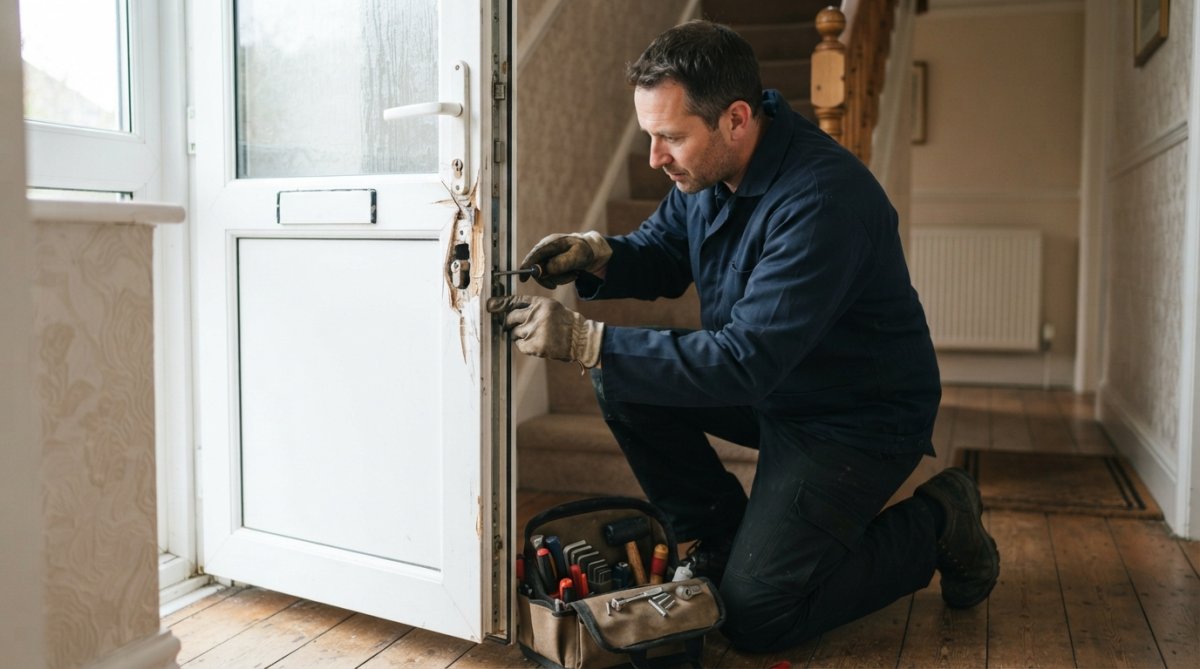
After a break-in, assess what's actually broken before committing to expensive repairs. Walk around your door and check three areas: the frame, locking mechanism, and hinges.
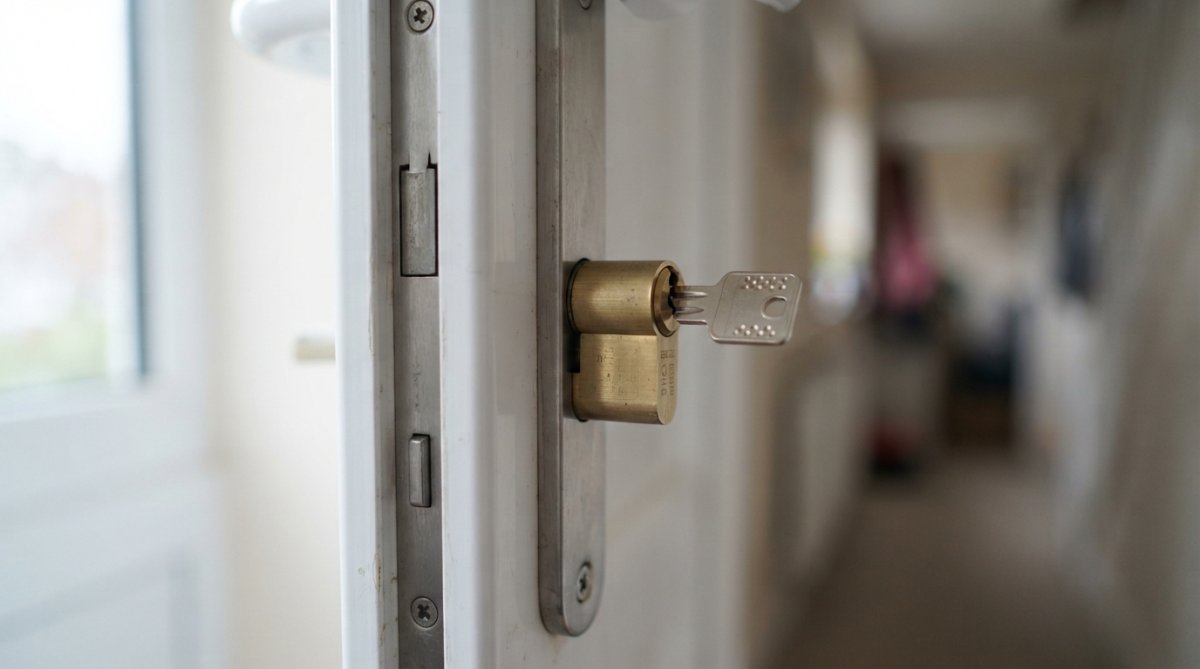
Look at the frame first. Does it sit flush in the doorway, or has the impact pushed it out of alignment? Press gently on each corner. If the frame flexes or creaks, it's compromised. Check for visible cracks or splintering around the lock area, where forced entry typically causes the most damage.
Examine the door itself. Run your hand along the edges where the lock sits and feel for gaps between the door and frame. Even small gaps mean the locking mechanism won't engage properly. Test the lock by turning the key slowly, it should move smoothly without grinding or catching. Listen for the shootbolts (metal pins that extend into the frame). You should hear a solid click when you deadlock the door. Silence or a weak click means those bolts didn't engage.
Finally, check the hinges on the opening edge. If they're bent or screws are loose, the door won't close properly. Tighten any loose screws with a screwdriver.
Immediate Steps to Secure uPVC Doors After a Break-In
Once you've assessed the damage, your priority is to make the door secure right now. Here's what you do in the first few hours.
Temporary emergency measures
If your door won't close or lock at all, use a portable door wedge or stopper placed firmly against the inside of the door at the base. For a stronger temporary solution, use a portable door brace, a metal bar that fits into a bracket at the base and extends diagonally to the floor. These are inexpensive and can be installed in under a minute.
If the lock is damaged but the door closes, turn the key as far as it will go, then use a portable lock to secure the handle. A simple combination padlock looped through the handle and around a fixed point adds a second layer of security.
For the rest of the day and night, consider staying with family or friends if you live alone. If you do stay, position furniture against the door from the inside and keep your phone charged and within reach.
Securing the locking mechanism
If the lock cylinder is damaged but still partially functional, buy a temporary cylinder replacement from any hardware store (typically under £10). You'll need a screwdriver and your existing key.
Look at the inside of the door where the lock connects. Remove the small grub screw holding the cylinder in place. The cylinder should pull out. Slide the new one in, ensuring the key turns smoothly, then tighten the screw. This restores basic function until a professional can install a proper anti-snap replacement.
If the shootbolts aren't engaging, check the frame itself. Push gently on the frame near the lock. If it gives, the frame is damaged and the bolts can't seat properly. You'll need frame repair before any lock will work reliably.
How to Report a Burglary to the Police
Report the break-in to the police, even if nothing was stolen. This creates an official record, which your insurance company will require.
Call the non-emergency police number (101 in the UK) (police.uk). Tell them you've had a break-in, describe what happened, and confirm whether anything was taken. Have your address, a description of the entry method, and the time you discovered it ready before you call.
The police will likely attend within a few hours. They'll examine the point of entry, take photos, and file a formal report. Ask for a crime reference number, you'll need this for your insurance claim.
If the break-in happened while you were home, call 999 instead. Once you have the crime reference number, contact your home insurance provider immediately and report the break-in and damage. They'll guide you through the claims process.
Anti-Snap Lock Installation for Long-Term Protection
Anti-snap cylinders are the single most important upgrade you can make to secure uPVC doors after a break-in. They prevent the exact attack method that breached your door.
Standard euro-profile cylinders have a weak point. If a burglar applies force to the cylinder, it snaps at the narrowest point, leaving the lock mechanism exposed. An anti-snap cylinder has a reinforced design that either resists snapping or breaks in a way that leaves the lock engaged.
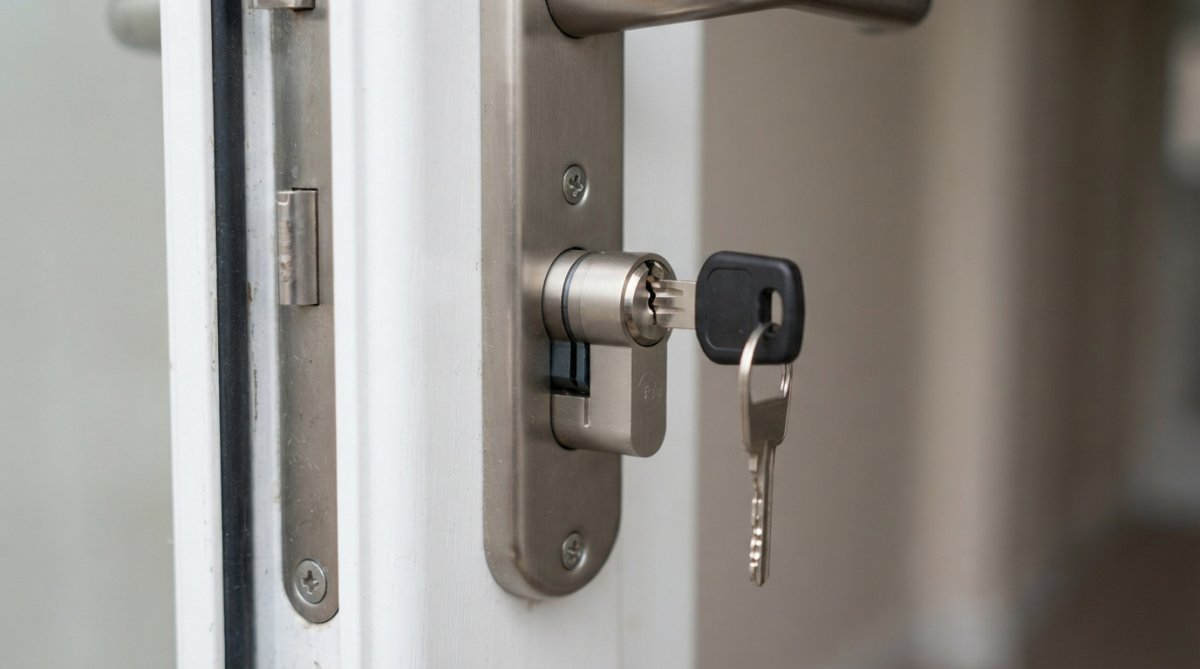
Look for cylinders that meet BS EN 1303 standards or higher. Many insurers now require BS-rated cylinders as a condition of cover, so check your policy.
Installation is straightforward if you're comfortable with basic tools. Measure the distance from the outside of the door to the centre of the lock. This is your cylinder length. Remove the grub screw holding the old cylinder, pull it out, and slide the new one in. Ensure the key turns smoothly and the shootbolts engage when you deadlock. Tighten the grub screw. The whole job takes about ten minutes.
If you're not confident doing this yourself, a locksmith will fit an anti-snap cylinder. Mobile Keys Norfolk can assess your door and install a BS-rated cylinder.
Understanding uPVC Door Locking Mechanisms
Most uPVC doors use a multi-point locking system, which is far more secure than a single lock but only if all the points are engaged.
When you turn the key in a multi-point lock, you're simultaneously engaging shootbolts (metal pins that extend into the frame at multiple points), hook bolts (which catch on the frame), and a deadbolt (which prevents the handle from being forced) (locksmiths.co.uk). All of these work together. If even one fails to engage, the door is vulnerable.
Multi-point locking systems explained
A typical uPVC door has locking points at the top, middle, and bottom of the closing edge (bsi.org.uk). When you insert the key and turn it, cams inside the lock mechanism rotate and push each bolt into place. You should hear three distinct clicks as each point engages. If you only hear one or two, the lock is failing.
The shootbolts are the most important part. These metal rods extend perpendicular into the frame and actually hold the door closed against forced entry. If the frame is damaged or misaligned, the shootbolts can't fully extend, and the lock becomes unreliable.
Test your multi-point lock by turning the key slowly and listening carefully. You should feel resistance at three points and hear three clicks. If the key turns too easily or you only feel one or two points of resistance, the lock is worn or damaged and needs replacement.
Euro-profile cylinders and shootbolts
The euro-profile cylinder is the part you insert your key into. It's standardised across most European uPVC doors, making replacement straightforward. When you deadlock a uPVC door (turn the key a second time after the first lock), you're engaging an additional mechanism that prevents the handle from being forced open even if someone breaks the cylinder.
uPVC Door Lock Repair Cost and Retrofit Options
After a break-in, decide whether to repair or replace the entire lock mechanism based on what's actually damaged.
If only the cylinder is damaged, replacement is the cheapest option. A new euro-profile cylinder costs between £15 and £40. Installation takes minutes if you do it yourself or under 30 minutes if you call a locksmith.
If the shootbolts or internal mechanism are damaged, you'll need a full lock replacement, typically £60 to £150 for the lock itself, plus £80 to £150 for locksmith labour.
Frame damage is the most expensive scenario. If the impact has warped the frame, the door won't close properly and no lock will help. Frame repair or replacement can cost £300 to £800.
Before committing to repairs, get a quote from a professional locksmith. Many offer free quotes, so compare at least two before deciding.
When retrofitting security hardware, prioritise the anti-snap cylinder. If your budget allows, add reinforced hinges and frame bolts next. These three upgrades together dramatically improve security without requiring a full door replacement.
Additional Security Upgrades After a Break-In
Once you've secured the immediate damage, consider additional upgrades that make your door harder to breach.
Reinforcing hinges and door frames
Standard hinges can be forced if the door is under enough pressure. Upgrade to heavy-duty hinges with five or six screws, which distribute the load better and resist forced entry more effectively. Hinge bolts (metal pins that prevent the door from being lifted off its hinges) cost under £20 and take minutes to install.
If the frame is damaged, repair it immediately. Small cracks can be filled with expanding foam and caulked. Larger damage requires professional frame repair. Install frame bolts on the hinge side of the door for additional resistance to forced entry. A professional can fit them in under an hour.
Sash jammers and secondary locking points
Sash jammers prevent the door from being opened even if the lock is compromised. They fit over the top of the door and lock into a bracket on the frame, creating a physical barrier. Install them on all external doors. They're inexpensive (typically £15 to £30 each) and take minutes to fit.
Secondary locking points add extra security without upgrading the main lock. A simple chain lock or bolt lock on the inside of the door provides a backup.
For maximum security, combine multiple upgrades: anti-snap cylinder, reinforced hinges, sash jammer, and frame bolts. This combination makes your door one of the most secure entry points in your neighbourhood.
Smart home integration for ongoing security
Modern smart locks allow you to lock and unlock your door from your phone, and many send alerts when the door is opened or if someone attempts to tamper with the lock. Smart locks typically cost £150 to £400 and require a battery or power supply.
A video doorbell adds another layer of security. You can see who's at your door before opening it and have recorded video of anyone who approaches. Combined with a smart lock, this creates a comprehensive security system.
Smart systems are most effective as part of a broader security strategy. They don't replace physical security upgrades like anti-snap cylinders and reinforced frames, they complement them.
When to Call a Professional Locksmith
Call a locksmith immediately if the lock is completely jammed and you can't turn the key at all. Forcing it will cause more damage.
If the frame is warped or cracked, call a locksmith to assess whether it can be repaired or needs replacement. This isn't a DIY job.
If you're uncertain about which security upgrades to install, a locksmith can audit your door and recommend the most effective improvements. For anti-snap cylinder installation, you can do it yourself if comfortable with basic tools, but a locksmith will do it with a guarantee. Mobile Keys Norfolk can assess your door and install appropriate security upgrades.
If the lock is damaged but the door still closes, you might limp along with a temporary fix. But if the door won't close at all or won't lock, call a locksmith immediately.
A break-in is stressful, but securing your uPVC door doesn't have to be complicated. Start with an assessment of the damage, make temporary repairs if needed, and then focus on permanent upgrades like anti-snap cylinders and reinforced frames. These physical security improvements are your strongest defence against a repeat break-in. If you're uncertain about any step or if the damage is extensive, contact a professional locksmith. Mobile Keys Norfolk offers assessment and installation of security upgrades, ensuring your door is properly secured without delays. Call 07399 583760 for immediate assistance with securing your uPVC door after a break-in.
Frequently Asked Questions
Q: How do I know if my uPVC door lock is anti-snap?
A: Anti-snap cylinders have a visible collar or anti-snap mechanism around the cylinder body. Look for BS-rated markings or product labels on the lock itself. If you're unsure, a locksmith can inspect it quickly. Standard euro-profile cylinders lack this reinforcement and are more vulnerable to snapping attacks, which is why upgrading after a break-in is essential for preventing future forced entry.
Q: What temporary measures can secure a damaged uPVC door immediately?
A: If the lock is broken, use a door brace or wedge to prevent opening from outside. For a damaged frame, temporary plywood reinforcement can cover the breach. However, these are emergency repairs only. Contact a locksmith to assess whether the lock cylinder needs replacement or if the entire mechanism requires retrofitting. Professional deadlocking ensures the door cannot be opened even if the handle is forced.
Q: Should I replace the entire door or just the lock after a break-in?
A: In most cases, replacing just the lock is sufficient if the door frame and hinges are intact. However, if the frame is cracked, hinges are damaged, or there are multiple forced entry points, frame reinforcement or full replacement may be necessary. A locksmith can assess frame integrity during a security audit. Insurance policies often require BS-rated locks and proper frame reinforcement, so check your policy before deciding on repairs.
Q: How much does uPVC door lock repair cost after a break-in?
A: Lock repair costs depend on the damage extent and lock type. A simple cylinder replacement is typically more affordable than full multi-point locking system repair or frame reinforcement. Anti-snap lock installation costs vary based on the model and whether additional hardware like hinge bolts or sash jammers are included. Contact a professional locksmith for a specific quote, as insurance may cover some or all retrofit costs if the work meets your policy's security requirements.
This article was written using GrandRanker