 how-to
Preventing Accidental Car Lockouts: 7 Essential Tips
Table of Contents
- Creating a Key Routine That Sticks
- Designated Storage Spots for Your Keys
- Why Having a Spare Car Key Matters
- How to Prevent Key Fob Failure
- Smart Locks and Keyless Entry Systems
- What to Do If Locked Out of Your Car
- Checking Before You Exit: The Final Safety Step
- Frequently Asked Questions
Last Updated: September 23, 2026
Creating a Key Routine That Sticks
Most lockouts happen because people rush and grab their keys without thinking. The best prevention for preventing car lockouts is building a habit: place your keys in your pocket or bag before you shut the door, every single time.
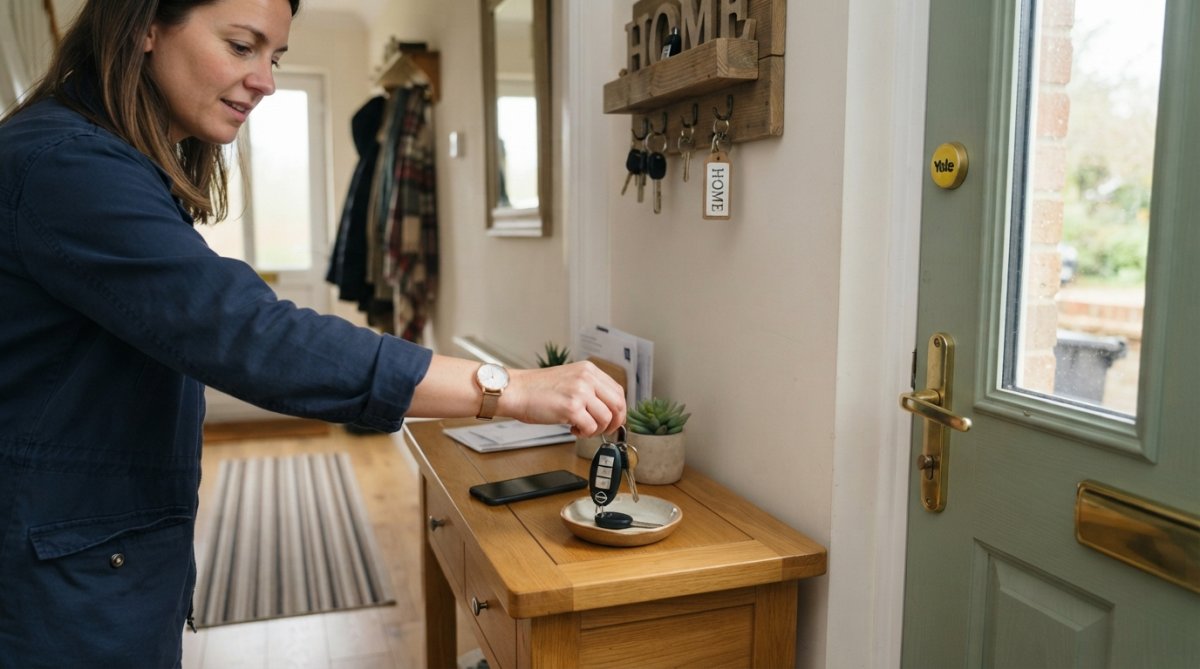
- Keep keys in your dominant hand as you unlock the car
- Transfer them to your pocket or bag immediately after opening the door
- Never set them down inside the vehicle
- Use a key lanyard or chain so keys feel different in your pocket
Once placing your keys away becomes automatic, you'll do it without thinking, that's when mistakes stop happening.
Designated Storage Spots for Your Keys
Creating a single home location for your keys eliminates the search when you need to leave.
Choose one spot near your main exit, a wall-mounted key holder, bowl on a hallway table, or drawer by the door.
Consistency matters: your brain needs to know exactly where to look.
- Install a key holder at eye level near your front door
- Use a bright colour or distinctive design
- Keep only active keys there
- Tell household members where the keys live
Why Having a Spare Car Key Matters
A spare key is your backup plan when preventing car lockouts fails. Even drivers with excellent routines sometimes lock themselves out due to distraction or unexpected circumstances.
A spare key at home means you can call someone to bring it instead of being stranded, and protects you if your main key is lost or damaged.
Benefits include faster resolution if locked out, protection if your main key breaks, and a second key for household members.
Keep your spare key at home in a secure location, never in your car or under the car, thieves check these spots first.
Having a spare before you need it beats waiting for emergency help when locked out.
How to Prevent Key Fob Failure
A dead key fob battery is one of the most common reasons people can't unlock their cars, yet most drivers don't maintain their fobs proactively.
Understanding your fob battery type:
Proactive maintenance schedule:
- Replace the battery every 2-3 years, regardless of whether it seems to work
- Set a phone reminder for spring and autumn (when you change clocks) so replacement becomes automatic
- Test all buttons on your fob monthly: lock, unlock, boot release, and panic button
- Keep fobs away from extreme heat, moisture, and direct sunlight, which accelerate battery drain
- Avoid dropping fobs or exposing them to water; physical damage can cause premature failure
The mechanical key backup most drivers don't know about:
- Look for a small slot or button on the fob's edge (usually marked with a key symbol)
- Press or slide to release the mechanical key
- Use this key in your car's door lock to unlock manually
- Once inside, you can start the car using the fob's backup mechanical blade in the ignition
Smart Locks and Keyless Entry Systems
Keyless entry systems and smart locks offer a modern solution: unlock your car from your phone or pin code. For drivers with newer vehicles, this is one of the most effective lockout prevention tools available.
How manufacturer apps prevent lockouts:
- FordPass (Ford vehicles): Allows remote lock and unlock through the app, plus real-time vehicle status notifications
- OnStar (General Motors): Offers remote unlock services and can send alerts if doors lock unexpectedly
- BMW ConnectedDrive and Mercedes me: Provide app-based access and security monitoring
- Tesla app: Offers instant unlock from anywhere with internet connectivity
Integration with insurance and roadside assistance:
- Your car insurance policy documents (often found online in your insurer's portal)
- Your roadside assistance membership terms (if you have breakdown cover through the AA, RAC, or similar)
- Your vehicle's warranty or extended service plan, which may include roadside assistance
- Your employer's benefits package, which sometimes includes roadside assistance
Common providers offering lockout coverage include:
- AA Roadside Assistance: Covers lockouts as part of standard breakdown cover
- RAC Breakdown Cover: Includes lockout assistance in most membership tiers
- Green Flag: Offers lockout services through their breakdown cover
- Direct Line, Aviva, and other insurers: Many include lockout assistance in comprehensive policies
Layered approach: combining technology with backup:
The most resilient lockout prevention strategy uses multiple layers:
- Primary: Use your manufacturer app or keyless entry system for daily convenience
- Secondary: Keep a physical spare key at home or with a trusted friend nearby
- Tertiary: Maintain roadside assistance membership so professional help is always available
- Backup: Know where your mechanical key backup is hidden in your fob
Limitations of smart locks and keyless entry:
While powerful, these systems have real constraints:
- Internet dependency: If your vehicle has no signal or your app loses connection, remote unlock won't work
- Phone battery: A dead phone means you can't access the app, even if your car has signal
- App crashes or updates: Occasionally apps become temporarily unavailable during updates
- Subscription costs: Some manufacturer apps charge annual fees; if you cancel, you lose access
- Compatibility: Older vehicles don't have this technology; retrofitting is expensive or impossible
What to Do If Locked Out of Your Car
Despite your best efforts, you might still end up locked out. Knowing what to do if locked out of your car keeps you calm and gets you back on the road quickly.
Steps to take if you're locked out:
- Stay calm and assess your situation safely
- Check every door and window for an unlocked entry point
- Call a household member or trusted friend with your spare key
- Contact a mobile locksmith if you don't have a spare nearby
- Avoid forcing doors or breaking windows, which causes expensive damage
- If it's an emergency (child or pet in the car), call emergency services
Checking Before You Exit: The Final Safety Step
The last and simplest step in preventing accidental car lockouts is a final check before you close the door. Pause for two seconds. Look at your keys. Make sure they're in your hand or pocket.
Your final check routine:
- Locate your keys in your hand or pocket before opening the door
- Look at the driver's seat to confirm nothing is left behind
- Check the ignition to ensure it's off
- Keep your hand on the door until you've confirmed your keys are secure
- Only then close the door
Frequently Asked Questions
What should I do immediately if I accidentally lock my keys in the car?
Stay calm and assess your situation. Check all doors and windows to confirm they're locked. Call a professional automotive locksmith who can arrive on-site, they have the tools and expertise to open your vehicle safely without damage. Avoid attempting DIY methods, which can harm your car's locking mechanism or door latch. Many locksmiths offer 24/7 emergency assistance, so you can get help regardless of the time or day. Have your vehicle registration and proof of ownership ready when the technician arrives.
How often should I replace my car key fob battery to prevent lockouts?
Most key fob batteries last 3-4 years with normal use. Check your fob's responsiveness regularly, if you notice you need to press buttons harder or the range decreases, the battery is likely weakening. Replace it before it fails completely. You can purchase replacement batteries at most supermarkets, chemists, or electronics retailers. Keep a spare fob programmed and ready so a dead battery never leaves you stranded. Some vehicles allow you to start the engine with a mechanical key backup, but having a functioning fob prevents frustration and lockout situations.
What are the benefits of having a spare car key?
A spare key is your safety net against accidental lockouts, lost keys, and key fob failure. Store it separately from your primary key, at home, with a trusted family member, or in a secure location. This ensures you always have access to your vehicle, even in emergencies. Spare keys also reduce stress during busy periods when you're more likely to misplace items. If your primary key is damaged or stops working, you won't be stranded waiting for a replacement. Having a spare programmed and ready saves time and expense compared to emergency locksmith calls or dealership visits.
Can a mobile locksmith really program a replacement key on-site for modern cars?
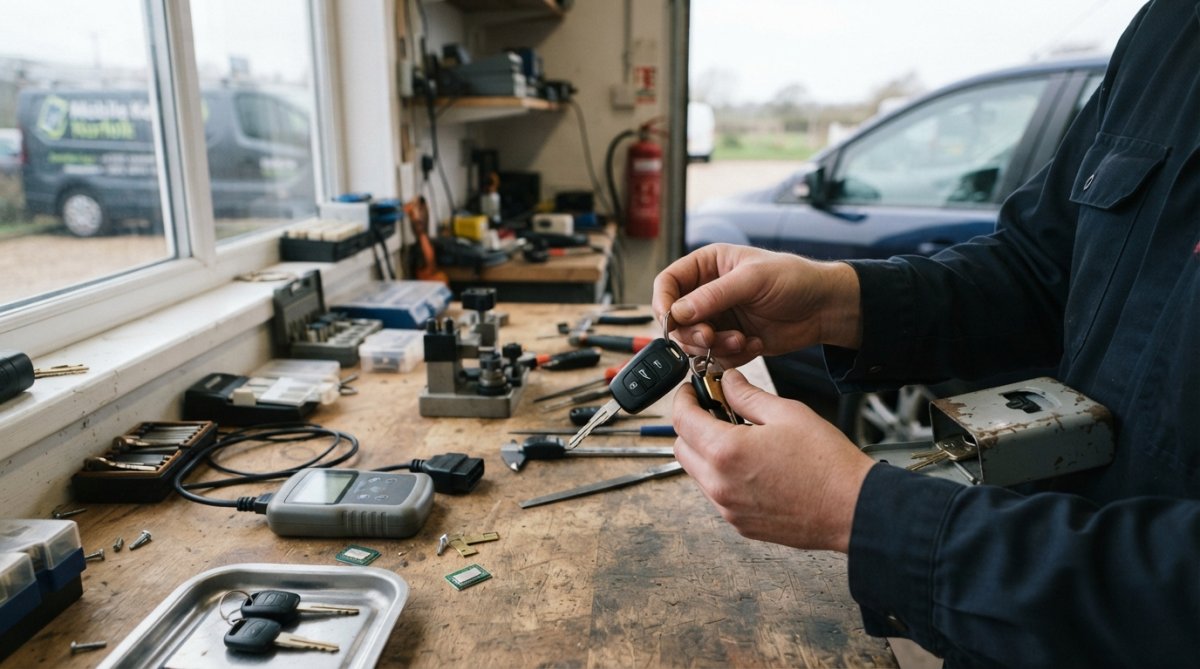
Yes, professional mobile locksmiths have specialised equipment to cut and program replacement keys and key fobs for most modern vehicles on-site. This includes vehicles with transponder keys, smart keys, and keyless entry systems. The technician brings diagnostic tools that can identify your vehicle's security system and programme the new key to match. However, some newer luxury or high-security vehicles may have restrictions. Always verify the locksmith's credentials and experience with your specific vehicle model before they arrive.
Getting locked out of your car is frustrating, but it's almost always preventable. The routines and checks in this guide address the most common reasons people find themselves locked out. If prevention fails and you need immediate help, Mobile Keys Norfolk is available 24/7 to cut and program replacement keys on-site. Our team arrives within 30 minutes, so you're never stranded for long. Call 07399 583760 whenever you need rapid, professional assistance.