 how-to
How to Open a Locked Car Door Without a Key
Table of Contents
- What You'll Need Before You Start
- How to Open a Locked Car Door Without a Key: DIY Methods
- When to Call for Emergency Car Lockout Assistance
- Mobile Locksmith 24 Hour Service: What to Expect
- Lost Car Key Replacement Cost: What Affects the Price
- Common Mistakes to Avoid
- Conclusion
- Frequently Asked Questions
Last Updated: September 16, 2026
What You'll Need Before You Start
Knowing how to open a locked car door without a key starts with your vehicle's locking mechanism. Modern cars rely on electronic keyless entry; older models use mechanical latches that respond to manual tools. At Mobile Keys Norfolk, we see both daily, and the difference shapes how a lockout gets resolved.
Before attempting anything, gather these items:
- A spare key, if one exists at home or with a family member
- Your vehicle registration or proof of ownership (essential if you call a professional)
- A mobile phone with signal, for roadside assistance or a locksmith
- A torch, if it is dark or you are parked somewhere poorly lit
- A plastic wedge or similar non-scratch tool, if you have one to hand
A common mistake is assuming every locked car responds to the same trick. Vehicles built before electronic immobilisers often have a visible lock button or a latch you can reach through the door frame. Cars with keyless entry and proximity sensors will not respond to manual tools at all, because there is no mechanical linkage. Identifying your car's category saves time and prevents damage.
How to Open a Locked Car Door Without a Key: DIY Methods
Several DIY methods exist for opening a locked car door without a key, but success depends on your vehicle's age and locking system. The shoelace method, coat hanger technique, and wedge-and-rod tools all target mechanical locks. None work reliably on modern keyless entry systems, and attempting them on the wrong vehicle risks costly damage.
The Shoelace Method
The shoelace method works on cars with a visible vertical lock post inside the door. Loop a long shoelace, work it through the gap at the top of the door, and snag the lock post to pull it up. It requires patience and a steady hand. Without a visible post, it will not work, and forcing it can scratch the paint around the window frame.
This method only applies to vehicles with a mechanical lock post, typically older models built before central locking and electronic immobilisers. If your car has a smooth interior door panel with no protruding post, the shoelace has nothing to grip. Drivers often spend twenty minutes threading a lace through a gap that was never going to work, then call a locksmith anyway with a scratched window frame to show for it.
The Coat Hanger Technique
A coat hanger bent into a hook can reach through the door frame to manipulate the internal latch or lock lever, suiting older cars with simple mechanical linkages. What most guides miss is that the gap on many modern vehicles is too tight to pass a hanger through without bending the door frame. If you feel resistance, stop.
The coat hanger relies on a direct mechanical connection between the interior latch lever and the locking mechanism. On cable-operated latches, the hanger can catch the lever and pull it. On electronic actuators, there is no lever to catch, the interior handle simply signals a solenoid. That is why the method works on a 1990s hatchback and fails on a car built in the last fifteen years. A metal hanger can also scratch paint and tear rubber weather stripping, and replacing a torn door seal is not a roadside job.
Wedge and Rod Tools
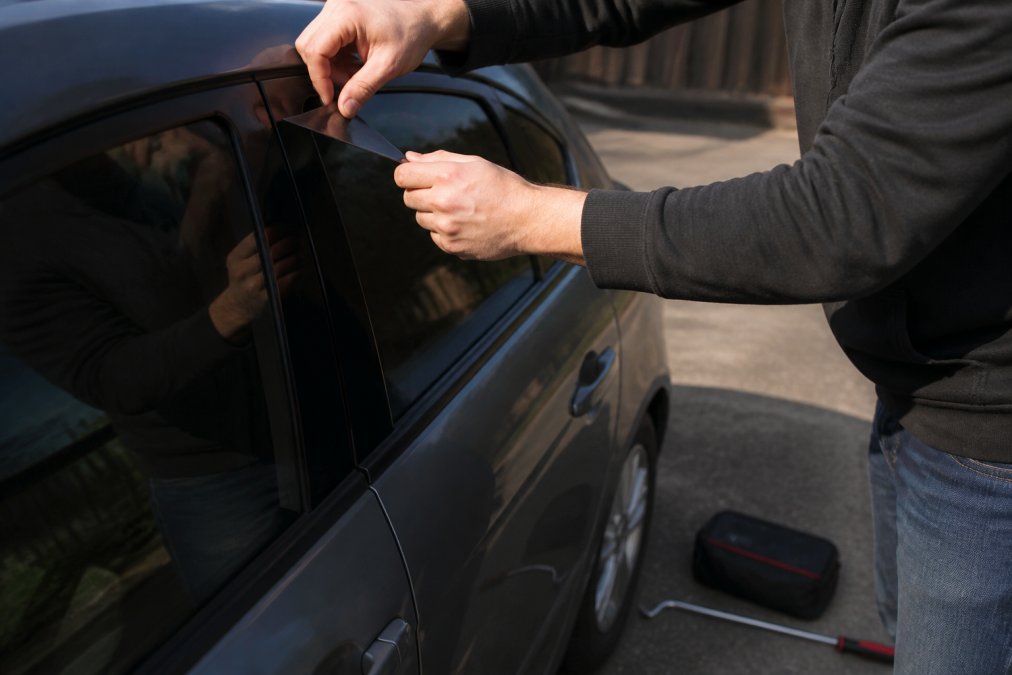
A wedge and rod tool set is the closest thing to a professional entry method available to the public. Insert a plastic wedge into the top corner of the door to create a small gap, then slide a long reach tool through to trigger the internal handle or lock. This is the method professional locksmiths use most often on manual locks. It still carries risk: too much force can crack window glass or deform the door frame, and repairs are rarely cheap.
The wedge-and-rod approach depends on the door flexing enough at the top corner to accept a wedge without cracking the glass or bending the frame. On many modern vehicles, the door is rigid for crash protection and the glass sits close to the frame. Forcing a wedge in can shatter the glass or push the frame out of alignment, which then leaks and whistles at speed. A professional locksmith uses a wedge with a protective sleeve and controlled pressure, but some vehicles are simply not suitable. If unsure, assume yours is not.
| Method | Best For | Difficulty | Risk of Damage |
|---|---|---|---|
| Shoelace | Cars with visible lock post | Moderate | Low, if gentle |
| Coat hanger | Older cars, wide door gap | Moderate | Moderate |
| Wedge and rod | Most manual locks | High | Moderate to high |
Why Modern Vehicles Resist DIY Entry
Modern keyless entry systems do not use a mechanical linkage between the exterior handle and the lock. A fob communicates with a proximity sensor, and an electronic actuator releases the door. There is no rod to slide, no post to snag, and no latch to hook. This is not a design flaw, it is a deliberate security feature that makes the vehicle harder to steal. Any DIY method relying on physical manipulation is therefore ineffective, however carefully attempted. Recognising this before you start saves time, money, and damage.
When to Call for Emergency Car Lockout Assistance
Emergency car lockout assistance is the right call the moment your vehicle uses keyless entry, has an immobiliser, or shows no visible mechanical lock. DIY tools have nothing to grip on these vehicles: there is no physical linkage a coat hanger or rod can reach. Attempting entry anyway is how people end up with cracked glass and a bodywork bill on top of the lockout.
Call for help immediately if:
- Your car has keyless entry or push-button start
- You can see no lock post or manual latch inside
- You are parked on a busy road, in poor light, or in an unsafe location
- You have already tried one method without success
Mobile Keys Norfolk operates 24/7 across Norfolk with a 30-minute arrival target, which matters when you are stranded at a workplace, on a roadside, or on the city outskirts late at night. A professional auto locksmith carries the tools and diagnostic equipment to open the vehicle without damage, then cut and program a replacement key on-site if yours is lost rather than locked inside.
Mobile Locksmith 24 Hour Service: What to Expect
A mobile locksmith 24 hour service brings the workshop to your vehicle, the key advantage over towing to a dealership. When you call, expect to provide your registration, location, and the make and model. That lets the locksmith confirm they can handle your locking system before setting out, so you are not waiting for someone who then cannot help.
On arrival, the process typically follows this order:
- Identity and ownership verification
- Non-damaging entry using the appropriate tool for your lock type
- Key cutting and programming on-site if a replacement is needed
- Testing of the new key against the immobiliser and all locks
A legitimate operator will confirm what they can do for your model before starting, and will not charge for a job they cannot complete.
Lost Car Key Replacement Cost: What Affects the Price
| Factor | Impact on Cost |
|---|---|
| Standard mechanical key | Lower |
| Transponder or chip key | Moderate |
| Keyless entry / smart key | Higher |
| On-site programming | Included in mobile service |
| Emergency or out-of-hours callout | Varies by provider |
The Cost of DIY Damage Versus a Professional Callout
What a Professional Service Includes
When you pay for a mobile locksmith, you are paying for the diagnostic equipment, vehicle-specific tools, training to use them without damage, and on-site key cutting and programming if a replacement is needed.
Getting an Accurate Quote
Any quote given before the locksmith knows your vehicle is guesswork: make, model, year, and key type all affect the price.
Common Mistakes to Avoid
The biggest mistake drivers make is attempting a DIY entry on a car with electronic locking.
Conclusion
A car lockout is stressful, but the response should match your vehicle.
Frequently Asked Questions
How do you unlock your car if your keys are locked inside?
First, check if your car has a smartphone app or connected service that allows remote unlocking. If not, and you have a spare key, ask someone to bring it. If neither is an option, call a mobile locksmith for emergency car lockout assistance. They have the tools to open your locked car door without causing damage, typically arriving within 30 minutes.
Are DIY car unlocking methods safe for my vehicle?
DIY methods like the shoelace or coat hanger technique carry risks. They can scratch paint, bend window seals, or damage the locking mechanism. They are also ineffective on modern cars with electronic deadlocks or keyless entry systems. For these vehicles, a professional using proper unlocking tools is safer to prevent costly damage.
How long does a professional locksmith take to open a car door?
A professional auto locksmith can usually open a car door in 5 to 15 minutes once on site. Mobile services aim to arrive within 30 minutes for urgent calls. The total time depends on your vehicle's make and model and the type of locking mechanism.
Does my insurance cover emergency car lockout services?
Some comprehensive car insurance policies or breakdown cover include lockout assistance. Check your policy documents or call your provider. If not covered, you will pay for the service directly. A mobile locksmith is often more cost-effective than a dealership and avoids towing fees, but always confirm pricing before work begins.